Finding the Perfect Home Away From Home
Planning a holiday is exciting, but for many of us, the joy is slightly tempered by the 'what about the dog?' or 'who will look after the cat?' question. You want to relax knowing your furry friend is safe, happy, and well-cared for. In the UK, the world of Pet Boarding has evolved significantly, offering more choices than ever before.
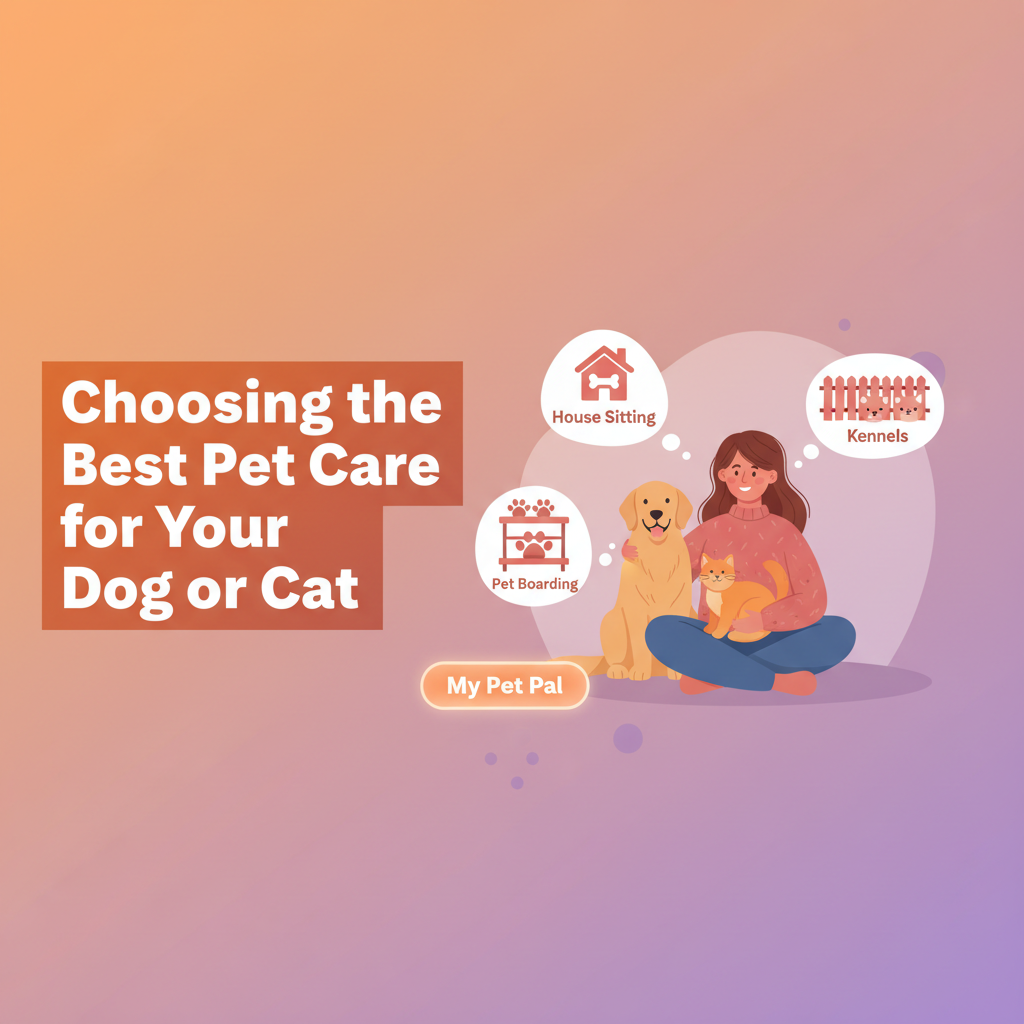
Choosing between home boarding, house sitting, and traditional Kennels isn't just about price; it’s about matching the environment to your pet's unique personality. Whether you have a social butterfly of a Labrador or a shy indoor cat, this guide will help you weigh up the options so you can book with confidence. If you're ready to start your search, you can find trusted pet care in your local area today.
Option 1: Home Boarding
Home boarding is often described as a 'holiday home' for your dog. Your pet stays in the home of a licensed sitter, living as part of their family. They’ll have their own bed, access to a garden, and plenty of human company.
Pros of Home Boarding
- Home comforts: Your dog maintains a similar routine to what they have at home, including sofa snuggles and familiar kitchen smells.
- Individual attention: Sitters typically only take a small number of dogs at once, meaning more one-on-one time.
- Peace of mind: Many sitters send daily photo and video updates to reassure you.
Cons of Home Boarding
- Other dogs: Your pet may need to be socialised, as the sitter might have their own dog or other guest dogs.
- Trial stays: Most good home boarders will require a 'meet and greet' or a trial night first.
Best for: Social dogs who enjoy the company of other people and pups, and owners who prefer a domestic setting. You can book trusted pet care in minutes to find a local home boarder.
Option 2: House Sitting
House Sitting involves a professional sitter coming to live in your home while you are away. This is the least disruptive option for your pets, as they never have to leave their own environment.
Pros of House Sitting
- Zero travel stress: This is ideal for pets that get car sick or find new environments overwhelming.
- Home security: Having someone in your house adds an extra layer of security and means your plants get watered too.
- Perfect for cats: Cats are notoriously territorial. Staying at home avoids the stress of a cattery.
Cons of House Sitting
- Privacy: You need to be comfortable with a professional staying in your home.
- Cost: This can sometimes be a more expensive option, though it often levels out if you have multiple pets.
Best for: Indoor cats, elderly pets with specific medical needs, and multi-pet households. If this sounds right for you, browse verified sitters and walkers on our platform.
Option 3: Traditional Kennels
Modern Kennels have come a long way. Many now offer 'luxury suites', outdoor play areas, and even 'doggy TV'. These are dedicated professional facilities designed specifically for housing dogs safely.
Pros of Kennels
- High security: Kennels are purpose-built to be 'escape-proof' and are usually staffed 24/7.
- Routine: They operate on a strict schedule of feeding, cleaning, and exercise, which some dogs find very settling.
- No trial required: While a visit is recommended, they can often accommodate last-minute bookings more easily than home sitters.
Cons of Kennels
- Noise: Even the best kennels can be loud with other dogs barking, which can be stressful for nervous types.
- Less 1-on-1 time: Staff have many dogs to look after, so individual cuddle time may be more limited.
Best for: High-energy dogs who don't mind a bit of noise, or for short, functional stays.
Which suits your pet's personality?
Still unsure? Let’s look at some common real-world scenarios:
The Nervous or Rescue Dog
If your dog is anxious or has a difficult past, House Sitting is usually the kindest choice. Staying in a familiar environment with their own smells and routine provides the security they need to stay calm while you're away. Changing their environment to a kennel could lead to regression in training or high stress levels.
The Elderly Pet
Senior pets often have stiff joints and medication schedules. Home boarding or house sitting is often better than a kennel as they won't have to deal with cold floors or the high-energy environment of a facility. A house sitter can ensure they get their meds at the exact time needed without any fuss.
The Indoor Cat
Most cats find the journey to a cattery more stressful than the stay itself. House Sitting is the gold standard for felines. They can keep their favourite sun-puddle and scratch-post, and a sitter can provide the play and companionship they need. You can find more tips on feline care in our latest blog articles.
Practical Steps Before You Book
- Check Insurance: Ensure your chosen provider has valid public liability insurance.
- Read Reviews: Look for recent, detailed feedback from other pet owners.
- Do a Meet and Greet: For home boarding or house sitting, always meet the person first to see how they interact with your pet.
- Check Licenses: In the UK, home boarders and kennels must be licensed by their local council. Don't be afraid to ask to see their star rating!
Final Thoughts
There is no 'one size fits all' when it comes to Pet Boarding. The best choice is the one that makes your pet feel safe and gives you peace of mind. If your pet is social and active, home boarding is a fantastic, warm option. If your pet is a home-bird or a cat, house sitting is likely the winner. For a secure, professional routine, a high-quality kennel fits the bill.
Ready to find your pet's perfect match? Create your free My Pet Pal account today and explore the best local care options near you.
Ready to relax on your next trip? Find trusted pet care near you.
Frequently asked questions
Is home boarding or house sitting better for cats?
House sitting is generally much better for cats. Most cats are territorial and find moving to a new environment very stressful. Having a sitter stay in your home allows your cat to remain in their familiar territory.
Do I need to provide food for my pet during boarding?
Yes, it is always recommended to provide your pet's usual food. Sudden changes in diet can cause stomach upsets, which is the last thing you want while your pet is away from home.
What happens if my pet gets ill while I am away?
Before you leave, you should provide your sitter or kennel with your vet's details and an emergency contact. Most professional sitters will have a protocol for seeking veterinary care immediately if your pet shows signs of illness.
Are all pet boarders in the UK licensed?
Professional kennels and home boarders are required by law to be licensed by their local council. However, house sitters currently do not require a specific council license. Always check for insurance and DBS checks regardless of the service.
My Pet Pal Team
My Pet Pal is your all in one pet care platform and pet services marketplace for comprehensive pet care services and products for all types of pets. Providing valuable content to a pet loving audience. Designed for pet owners, trusted pet service providers and quality pet brands. We connect pet owners with trusted local pet sitters, dog walkers, farriers, groomers, vets, pet insurers, pet boarders, quality pet products and a community.


